 Volunteering with Freepackers
 Français
 English
 Español
























 Indonesia, from €7,645


Key points
- To obtain the South Korea Working Holiday visa, you must be aged 18 to 30 (35 for certain nationalities).
- You must have enough money to support yourself (around €2,500).
- This visa lets you stay and work in South Korea for a maximum of one year.
- Working Holiday visa holders must take out health insurance before they leave.
South Korea is a fascinating destination attracting more and more young travellers looking for a unique cultural immersion and a rewarding professional experience. With the South Korea Working Holiday visa, you have the chance to discover this dynamic country while funding your stay through a local job. Here is a complete guide to preparing your Working Holiday in South Korea, understanding the steps to get your visa, finding work and enjoying an unforgettable experience.
Why choose South Korea for a Working Holiday?
1. A rich and diverse culture
South Korea is a captivating blend of modernity and age-old traditions. Whether through its music (K-pop), its cinema, its martial arts (taekwondo) or its Buddhist temples, the country offers a unique cultural richness. Local festivals, traditional markets and historic sites offer plenty of opportunities to learn more about South Korea.
2. Technology and innovation
Seoul is a leading technological metropolis where cutting-edge infrastructure makes modern life easier. The country is also known for its innovative startups and large companies such as Samsung and LG, offering many job opportunities in technology.
3. Safety and quality of life
South Korea is considered one of the safest countries in the world, with a low crime rate and a modern, accessible healthcare system. The cost of living is relatively affordable, especially if you live outside Seoul, in cities such as Daegu.
Getting a Working Holiday visa for South Korea
1. Eligibility requirements
To obtain the South Korea Working Holiday visa, you must:
- Be aged 18 to 30 (35 for certain nationalities).
- Be a citizen of a country eligible for the programme.
- Have a passport valid for the duration of your stay.
- Have enough money to support yourself (around €2,500).
- Take out health insurance covering the whole of your stay.
2. Application procedure
You apply for the visa at the South Korean embassy or consulate in your country. You will need to provide:
- The completed visa application form.
- Proof of funds.
- Proof of health insurance.
- A return ticket or proof that you have the funds needed to buy one.
Once approved, this visa lets you stay and work in South Korea for a maximum of one year.
Finding a job in South Korea
1. Job opportunities
Job opportunities for Working Holiday visa holders in South Korea are varied. The most promising sectors include:
- Teaching English: this is very popular, and even without a teaching qualification you can find a job in private schools or language centres.
- Technology and electronics: companies such as Samsung and Coupang often recruit foreign workers for tasks such as order picking or logistics, even if you do not speak fluent Korean.
- Hospitality and catering: in the big tourist cities, positions are available in hotels, restaurants and cafés.
2. Our RealStep programme
RealStep offers a Working Holiday programme in South Korea that makes it easier to enter the job market while giving you a cultural immersion. Based in Daegu, the third largest city in the country, this programme offers initial training followed by a job with a local organisation.
What the programme includes:
- Korean classes: two Korean classes a week for four weeks at the largest language school in Daegu.
- Job support: help finding jobs with large local companies such as Samsung and Coupang, even for people who do not speak fluent Korean.
- Accommodation: accommodation for the first month.
- Administrative support: help opening a bank account, getting a SIM card and registering your stay with the immigration office.
- Cultural activities: one cultural activity a week to discover the richness of Korean culture.
This programme offers thorough preparation before departure, support on the ground and personalised advice throughout your stay.
Living in South Korea
1. The cost of living
The cost of living in South Korea varies by region. Daegu, for example, is cheaper than Seoul, which makes it an attractive option for Working Holiday visa holders. Here are a few examples of average expenses:
- Rent: around €300 to €600 a month for a studio or a shared flat in Daegu.
- Meals: a meal in a local restaurant costs around €5 to €10.
- Transport: public transport is efficient and affordable. A metro ticket costs around €1.
2. The language barrier
Although English is increasingly spoken in the big cities, learning some basic Korean will make your stay much easier. Moreover, speaking the language can open up more interesting career opportunities.
3. Health
The Korean healthcare system is of high quality. Working Holiday visa holders must take out health insurance before they leave. From emergency care to hospital costs, being well covered is essential to avoid unexpected expenses.
Discovering Korean culture
One of the main reasons to choose South Korea for a Working Holiday is the chance to discover an incredibly rich and diverse culture. From its thousand-year-old traditions to its modern pop culture, South Korea immerses you in a fascinating world.
- K-pop and Korean cinema: the country is world famous for its pop culture, especially K-pop and its idols such as BTS, Blackpink and EXO. Korean cinema has also gained international recognition, notably thanks to the success of films such as Parasite, which won the Oscar for Best Picture in 2020.
- Korean food: do not miss the chance to try the local cuisine, with iconic dishes such as kimchi, bibimbap or samgyeopsal (Korean barbecue). Traditional markets are also perfect places to try new dishes while soaking up the local atmosphere.
- Buddhist temples and ancient traditions: South Korea has many Buddhist temples, often nestled in peaceful mountains, where you can take part in "temple stay" programmes for total immersion in the country's spirituality and age-old traditions.
- Festivals and cultural events: festivals punctuate the year in South Korea, whether religious celebrations, K-pop festivals or major traditional holidays such as Chuseok (the harvest festival) and Seollal (the Lunar New Year).
Leisure and activities during your Working Holiday
In your free time, South Korea offers a wealth of activities to suit every taste:
- Hiking: the country has a large number of national parks with spectacular mountains, such as Seoraksan and Bukhansan, which are popular hiking destinations.
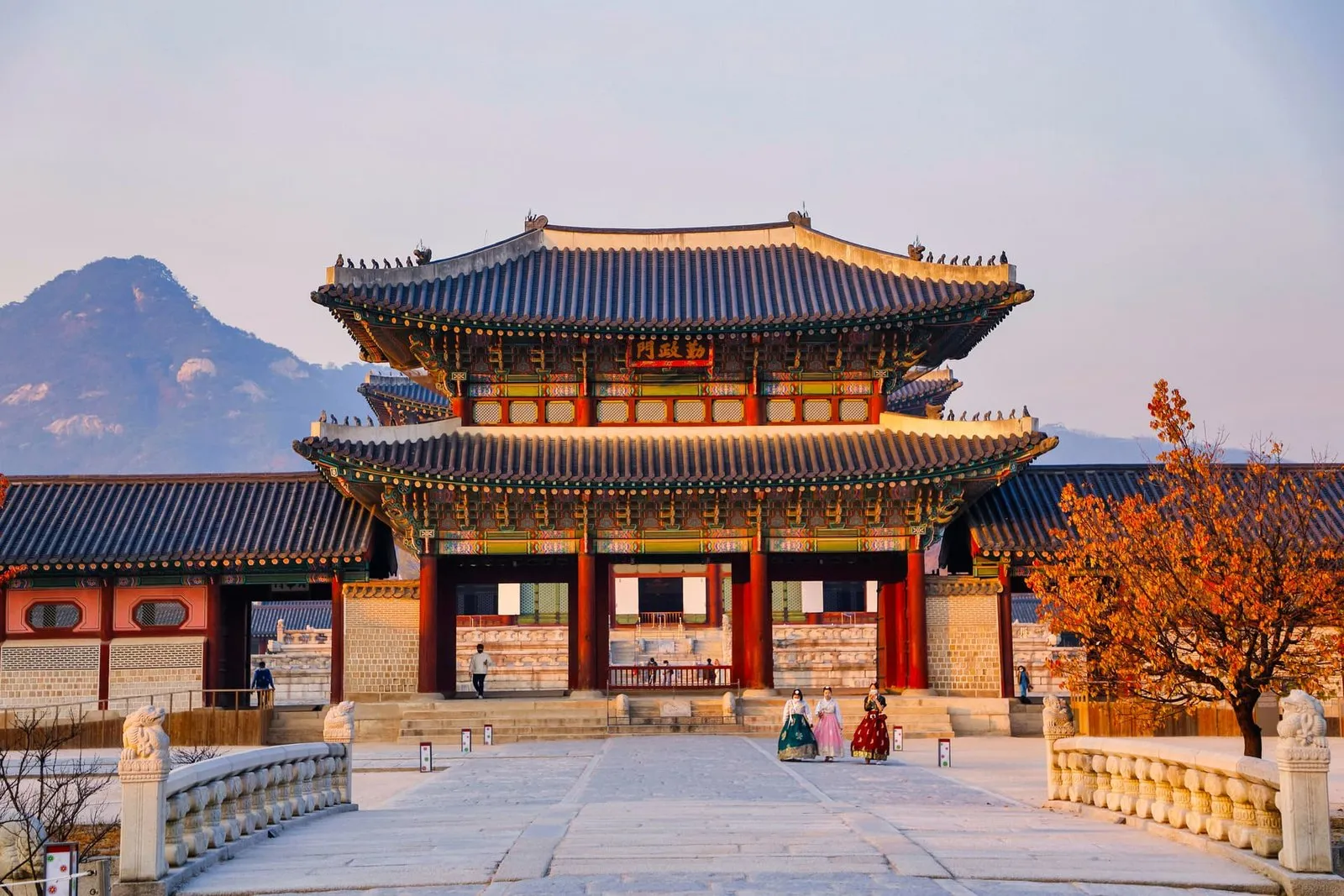
- Historic visits: you can explore historic sites such as the royal palaces of Seoul, the traditional village of Andong or the royal tombs of Gyeongju.
- Nightlife: if you prefer going out at night, South Korea's nightlife is lively and diverse, with neighbourhoods such as Hongdae in Seoul, where bars, clubs and cafés stay open late into the night.
Practical tips for a successful Working Holiday in South Korea
- Adapt to the work culture: South Korea has a very hierarchical professional culture centred on respect. Politeness is crucial, and it is important to follow social codes, especially in the workplace. By fully embracing these codes, you will be able to work in South Korea with peace of mind.
- Save money on transport: T-money is a rechargeable card that lets you travel more cheaply on public transport. Also consider using high-speed trains, such as the KTX, to explore the country quickly.
- Networking: going to meetups or joining expat groups on social media can help you settle in, create professional opportunities and introduce you to the best local tips.
- Be ready for the climate: South Korea has very hot, humid summers and cold winters with snow, particularly in mountainous regions. Make sure you have clothes suited to these conditions.
- Respect social norms: South Korea is a society where politeness and respect for elders are fundamental. It is important to respect customs, such as bowing slightly as a sign of respect or using both hands to give someone an object.
In short
A Working Holiday in South Korea is an incredible adventure that will let you gain professional skills while immersing yourself in a fascinating culture. With cities such as Daegu, where international students can thrive in a welcoming environment, and programmes such as the one offered by RealStep, you are sure to have a successful experience. Whether you come to work, study or simply explore the country, South Korea has everything it takes to make your stay memorable!