 Volunteering with Freepackers
 Français
 English
 Español















 Indonesia, from €7,645




Key points
- Summer internships are short professional experiences that do not affect your studies or exam schedule.
- The general window to search is from September to March for the following summer.
- There is no single EU internship visa: each country sets its own rules, depending on the length of the internship and whether it is paid.
- Students enrolled at a European university can apply for Erasmus+ funding for an internship of 2 to 12 months in another European country.
A summer internship in Europe lets students gain professional experience abroad without affecting their studies or exam schedule. It is a short commitment that lets you test living in another European country and explore its neighbours, in a region where countries are close and well connected. The best time to search is from September to March for the following summer.
Why do a summer internship in Europe
- An international experience during the summer: internships are often an integrated part of a degree, such as a master's, whereas summer internships are short professional experiences that fit around your studies.
- A chance to explore Europe: on weekends and holidays, and before or after the internship, you can discover the host country and visit nearby countries.
- A way to test living abroad: you experience independence and explore future study or career opportunities in another European country.
- Skills that matter now: internships increasingly focus on impact, portfolio careers, the shift brought by AI, sustainability, career readiness and global citizenship skills.
Where to search for summer internships in Europe
Within the EU, two platforms are a good starting point:
- EURES (European Employment Services), the official European Union platform, where you can search by location, business sector, contract type and more;
- Erasmus Careers (previously Erasmus Intern), a marketplace that brings together internship providers and students looking for an internship abroad.
More broadly, you can contact international organisations and NGOs directly, as they favour short-term opportunities, or go through specialised platforms. Take time to find and select organisations, and to identify the right contact person to make sure you get a reply. Summer programmes are often aimed at international, English-speaking students. Our guide to internships in Europe for English speakers covers where and how to look.
When to apply for a summer internship in Europe
- The summer before: start preparing your CV, then apply from September, when the academic year starts.
- The sooner, the better: some programmes work on a first-come, first-served basis, which rewards prepared students.
- The general window: from September to March for the following summer.
Larger companies often recruit earlier than NGOs or specialised programme platforms.
Summer internships in Europe for US and UK students
Students from outside the EU, such as US and UK students, generally need:
- student status, as an undergraduate or graduate student;
- to check visa rules: the EU does not issue a single internship visa, and each country sets its own work-permit requirements, which usually depend on the length of the internship and whether it is paid;
- a signed internship agreement.
Length, pay and visa
Summer internships usually last less than 90 days and are often unpaid, in which case US and UK students may not need a visa: they can enter the Schengen Area for up to 90 days without a visa for unpaid activities. A paid internship in an EU member state, on the other hand, requires an official work permit or trainee visa. Also check the ETIAS travel authorisation requirements for 2027, and the funding options for a project abroad.
Erasmus+ for undergraduates
If you are enrolled at a European university, you can apply for Erasmus+ Traineeships funding to support an internship of 2 to 12 months in another European country. Our guide to Erasmus+ traineeship funding explains how it works.
How to write a European-style CV for a summer internship
Format and norms
- a professional summary outlining your focus, interests, goals and skills;
- education and experience from latest to oldest;
- clear bullet points for each experience;
- language proficiency using CEFR levels (the A1 to C2 framework);
- one page, two pages at most;
- the standardised Europass CV structure as a reference.
What to include
- personal information: full name, contact details, nationality and date of birth;
- experience: each position with precise dates, organisation and tasks, including student jobs, volunteering roles and hands-on tasks;
- education: degrees and certifications with names and dates, including expected graduation date, thesis topics and coursework;
- language skills: your native language and other languages rated on the CEFR scale, with any certificates;
- digital skills: coding languages or software tools you have used in projects;
- soft skills learned through projects and work, such as teamwork and communication;
- interests.
For the cover letter, see our cover letter example for an engineering internship.
Summer internship programmes in Europe
Marine biology in Portugal
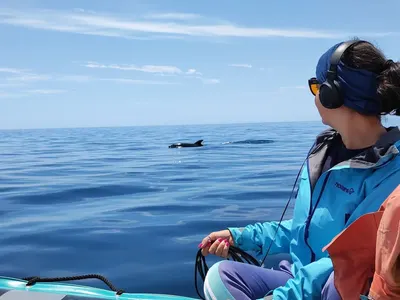
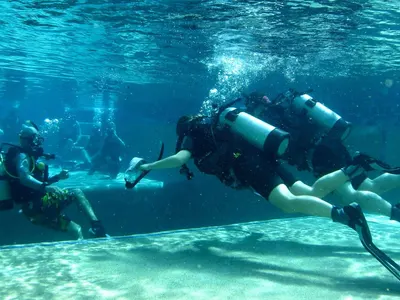
The Algarve coastline is home to one of Portugal's richest marine environments, yet one that remains poorly documented. Common dolphins, bottlenose dolphins, transient orcas and whales: the Atlantic side of the Iberian Peninsula hosts remarkable biodiversity, the subject of long-term scientific monitoring. On the marine conservation internship in the Algarve, you join the field research team and help fill a real gap in data on the region's marine wildlife. One intern sums up the experience:
This experience allowed me to better understand environmental issues, learn to scuba dive, become more open to others, and discover many different cultures. I also improved my English and became more independent.
Environmental internship in Montenegro
At Lake Skadar, near Podgorica, the environmental internship in Montenegro covers shoreline restoration and monitoring work, from 4 weeks.
Nursing and physiotherapy in Malta
The nursing and physiotherapy internship in Malta places you in a variety of host institutions, from 4 weeks. In Barcelona, a special needs educator internship in a day hospital starts from 2 weeks.
Engineering in Malta
In Malta, you can also do an engineering internship in fields such as IT, construction and electronics, with hands-on experience under the supervision of professionals, from 5 weeks. This programme is restricted to participants from the European Union and is eligible for Erasmus+ grants.
Frequently asked questions
When should I apply for a summer internship in Europe?
The general window is from September to March for the following summer. Start preparing your CV the summer before and apply from September, when the academic year starts. Some programmes work on a first-come, first-served basis, and larger companies often recruit earlier than NGOs.
Do I need a visa for a summer internship in Europe?
It depends on the country, the length of the internship and whether it is paid, as the EU does not issue a single internship visa. For unpaid activities, US and UK students can enter the Schengen Area for up to 90 days without a visa. A paid internship requires an official work permit or trainee visa.
Where can I find summer internships in Europe?
Start with EURES, the official European Union platform, and Erasmus Careers, a marketplace that connects internship providers with students. You can also contact international organisations and NGOs directly, as they favour short-term opportunities, or use specialised platforms.
Can Erasmus+ fund a summer internship in Europe?
Students enrolled at a European university can apply for Erasmus+ Traineeships funding for an internship of 2 to 12 months in another European country. Some programmes, such as the engineering internship in Malta, are eligible for Erasmus+ grants.