 Volunteering with Freepackers
 Français
 English
 Español































 Indonesia, from €7,645




Key points
- A farm focuses on agriculture and cultivated land, while a ranch is generally geared towards raising cattle and livestock.
- You can work on a ranch or a farm with no experience, but expect long days of physical, outdoor work in all weathers.
- In Australia, 88 days of work in specific fields, including on a farm or ranch, can make you eligible for a second working visa.
- On a farm, the tasks depend largely on the time of year and on the crops and their harvest.
Working on a ranch means mostly manual, outdoor work: maintaining the property, feeding and cleaning up after animals and helping to raise calves. You do not need experience to start, but the days are long and the work is taxing, far from the romantic image of riding a horse off into the sunset. Still, working on a ranch or a farm can be immensely rewarding, and many people choose it for a simpler life surrounded by nature.
The difference between a ranch and a farm
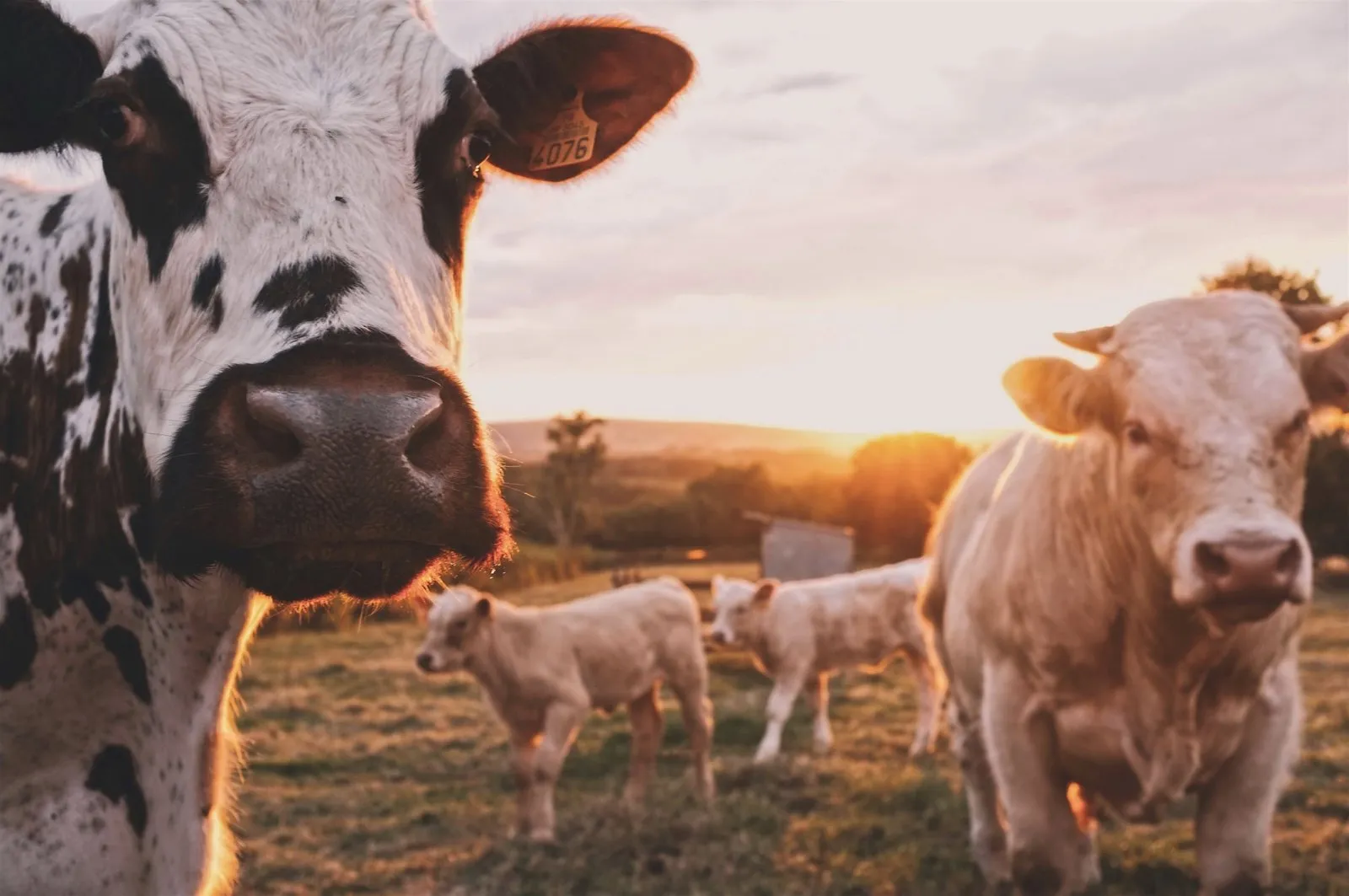
Ranches and farms are not the same. A farm focuses on agriculture, with plots of cultivated land, while a ranch is generally geared towards raising cattle and livestock. The tasks on a farm can therefore differ from those on a ranch.
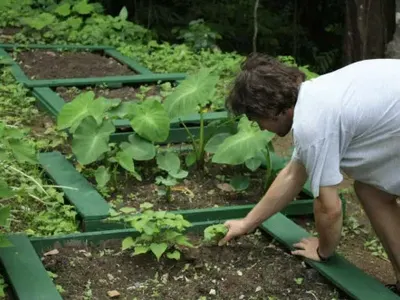
Either way, you can expect mostly physical work, from horseback riding and animal care to irrigation and gardening. You will gain a wide range of skills and experience a way of life different from the one you may be used to.
Why more people want to work on the land
As climate change continues to affect how we see the environment, more people are looking for ways to connect with nature. The world also keeps going digital, and many feel called to a simpler life, with more freedom and real, gratifying work to do.
After the pandemic in particular, many felt the desire to breathe fresh air in wide open spaces and explore a different lifestyle. Farming itself is also modernising, which creates more opportunities to grow in the field.
Popular countries for ranch and farm work
There are opportunities to work on a farm or ranch all over the world.
- Australia and New Zealand are very popular destinations, with hundreds of millions of acres of agricultural land. Their fair minimum wages mean you can earn money while you travel. Both feature among our gap year and job programmes abroad.
- Canada and the United States are well known for their thriving farming industries. Demand for farm and ranch workers is very high, which makes finding a job achievable. Within the US, Texas has the most farms, followed by Missouri and Iowa.
- France is home to many vineyards that need volunteers and interns, and Italy and Spain are in the same situation. Maintaining the vineyards and picking the grapes is hard work, but rewarding in a beautiful setting, and you can learn about winemaking at the same time.
- The United Kingdom has recently seen farms encourage young people to come and work, particularly as fruit pickers. Brexit and the pandemic created a shortage of fruit pickers and farm workers, which led to initiatives to fill those roles.
What working on a ranch involves
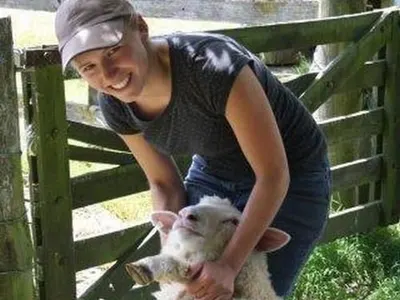
A ranch needs people in many roles, from cowboys and wranglers to accountants and mechanics. Typically, though, working on a ranch means manual, outdoor work. It differs from one ranch to another, but will most likely include maintaining the property, helping to raise calves, and feeding and cleaning up after the animals.
Skills required to work on a ranch
Can you work on a ranch with no experience? Yes, although it is not easy and you should be prepared for long days. You may have to work in all sorts of weather, which is worth considering when you choose the time of year. You will spend most of the day outdoors, probably getting dirty and often with few scheduled breaks.
You do not necessarily need special skills or expertise, though some activities may require prior experience. It matters far more to follow directions, be teachable, be good with your hands and, above all, have a good attitude.
What working on a farm involves
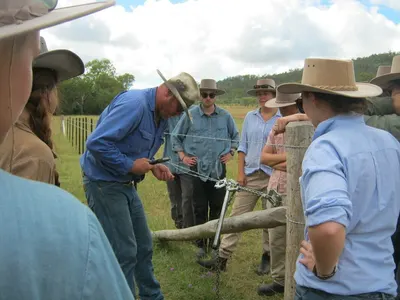
Farm work is quite similar to ranch work, with a few notable differences. On a farm, your work will usually fall into one of four categories:
- managing the land
- growing and harvesting crops
- tending to livestock
- maintenance and repair
The activities on a farm depend largely on the time of year, perhaps more so than on a ranch. Whether you deal with animals, equipment or crops, expect tiring outdoor work that leaves you feeling fulfilled at the end of the day.
Skills required to work on a farm
Working on a farm calls for a variety of skills, most of them soft skills such as problem solving, interpersonal skills and organisation. There are also concrete skills to acquire, many of which can be taught on the farm: the mechanics of farm equipment and the art of repair, the day-to-day activities and the complexities of farm operations.
Staying up to date with advances in farming technology matters too. Good health and physical stamina are crucial, since the work is primarily physical labour.
Working on a ranch during a gap year
There are many ways to begin working on a ranch. You could work on a ranch for a summer, which lets you travel and earn money without interrupting your studies. Or you could take a gap year and choose a longer ranch internship.
Working on a ranch in Australia
Australia has a system that makes you eligible for a second working visa if you first complete 88 days of work in certain specific fields, one of which is farm or ranch work in the country. Our guide to the Working Holiday visa in Australia explains how the visa works. For a structured start, there is also a paid farm job in Australia with on-farm training.
Working on a ranch in Canada
Canada is another popular place for a ranch gap year, perfect for those drawn to the great outdoors, wide open spaces and rewarding, hands-on work. Depending on the operation, you may find yourself on a horse farm, a guest ranch, a cattle farm, a winery or an alpaca farm.
Living with a host family on a ranch, you take part in their daily tasks and in all their activities, from the farm work itself to neighbourhood visits, festivals and rodeos. Besides new skills, you experience Canadian culture first hand and gain freedom, autonomy and responsibility. Read more about working on a ranch in Canada, from the activities to the visa.
Working on a farm during a gap year
Farm work is mainly manual labour, much of it outdoors, so the time of year you go will shape the tasks you are given. This is especially true on agricultural farms, where the activities depend on the crops and their harvest. A gap year on a farm gives you time to experience more of farm life than the glimpse a summer job would offer, and it can be a very worthwhile way to spend time off work or studies.
Working on a farm in New Zealand
New Zealand offers many farm work opportunities. A gap year in New Zealand on a family farm teaches you how a farm works, immerses you in the culture and increases your autonomy and responsibility. You can join with no experience and will certainly learn a lot. For the visa and other options, see our guide to a gap year in New Zealand.
The programme begins with a month of English lessons before you are placed on a farm: a dairy farm, cattle farm, horse farm, mixed farm or guest ranch, depending on availability. The work is primarily agricultural, but as you live with the family, you will also help with other household tasks. Your tasks may differ from one host family to another, and you may not be able to stay beyond 12 weeks.
Why work on a ranch or a farm
The benefits of ranch work
- You spend your days outdoors, surrounded by the beauty of nature.
- The work is tiring but immensely rewarding, and you can see its tangible impact.
- You experience another way of life and another culture.
- It is good for your physical health, since you do hands-on work and exercise every day.
- It has also been shown to improve mental health, as you spend more time outdoors, are more mindful while working and spend time with animals.
The benefits of farm work
- You gain hands-on experience and understanding that cannot be taught in a classroom.
- You travel abroad, often with free room and board, and see a different side of life.
- You are surrounded by nature and breathe fresh air.
- It is good for both physical and mental health, as you spend time outdoors doing physical, rewarding work.
- You develop personally and learn many new practical skills.
Frequently asked questions
Can you work on a ranch with no experience?
Yes. Working on a ranch can be difficult, but as long as you are open to learning, you can succeed. Some tasks are not possible without experience, such as some horse wrangling, but plenty of activities require none, and if you put the work in you will learn new skills.
Can you work on a farm with no experience?
Yes. Working on a farm is no easy feat, but a good attitude matters as much as, if not more than, experience or expertise. Be willing to learn and to work hard, and many of the concrete skills can be taught on the farm.
What is it like working and living on a farm?
It depends on the type of farm, but some aspects are common to most. You work on site, usually in a rural area, with long, regular hours, and days start early. Most of the work is outdoors, with machinery, animals and the land; the individual tasks are what differ from one farm to another.
Is a gap year a good time to work on a ranch?
A gap year is time set aside to grow personally and professionally and to see the world, all of which a ranch gap year allows. It lets you try something new, gain new skills and travel on a budget. You can also work on a ranch for a summer only, without interrupting your studies.
What is the difference between a ranch and a farm?
A farm focuses on agriculture, with plots of cultivated land, while a ranch is generally geared towards raising cattle and livestock. On both, the work is mostly physical, from horseback riding and animal care to irrigation and gardening.