 Volunteering with Freepackers
 Français
 English
 Español





















 Indonesia, from €7,645



Key points
- Overfishing, habitat destruction, pollution and climate change are the main threats to marine species.
- Endangered marine animals include whales, dolphins, manatees, dugongs, salmon, seabirds, sea turtles, sharks and corals.
- The vaquita, a small porpoise of the Gulf of California, is down to about 20 individuals because of entanglement in fishing nets.
- Humpback whales and the California sea otter have recovered thanks to protection measures.
Many endangered sea animals, from whales and dolphins to sea turtles, sharks and corals, are threatened by human activities: overfishing, habitat destruction, pollution and climate change. The ocean is home to countless species that keep its ecosystems running smoothly, and losing them disrupts food chains and local economies. Conservation work, from international agreements to field programmes, shows that the trend can be reversed.
Why so many marine species are endangered
Our oceans are in crisis, and many of their species are threatened or endangered. Overfishing, habitat destruction and pollution take a heavy toll. Marine animals listed as endangered include, among others:
- whales and dolphins
- manatees and dugongs
- salmon
- seabirds
- sea turtles
- sharks
Examples of endangered sea animals
Vaquita
The vaquita is a small porpoise that lives in the Gulf of California. There are only about 20 left. The only known threat to the vaquita is entanglement in fishing gear.
Whales
The blue whale, the largest creature on Earth, is still recovering from past whaling, and despite protection its population remains fragile. Centuries of overfishing have left many populations critically endangered. Grey whales are now found only in the North Pacific, and right whales in the North Atlantic.
Sea turtles
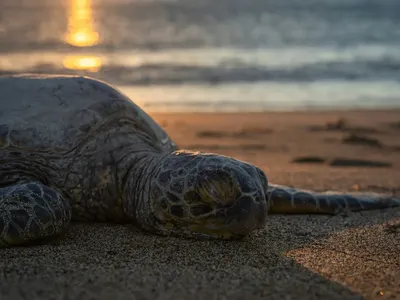
Green turtles are endangered, and loggerhead sea turtles are considered endangered or threatened depending on the location. Hawksbill and leatherback turtles are also in decline.
Their numbers are threatened by fishing and fishing gear, pollution, habitat loss, egg harvesting and the degradation of nesting sites. Climate change also affects nesting by changing the temperature of the sand, which influences the sex of the hatchlings. Interns help protect them in the field, for example on a sea turtle conservation internship in Okinawa, Japan.
Corals
Coral is a sea animal too. Corals are sessile: like most plants, they attach to the ocean floor. They are animals because they do not make their own food as plants do. Coral gives other sea creatures protection and a place to breed and spawn.
Over 25 corals are listed as endangered or threatened, for example coral reefs in the Atlantic and in Indonesia. One simple gesture: check the ingredients in your sunscreen.
Why protecting endangered marine animals matters
The disappearance of marine species has serious consequences. When these animals disappear, food chains are disrupted and the ecosystems they belong to suffer.
This ripple effect can affect other species and even local economies that depend on tourism or fishing. Beyond that, there is an ethical responsibility to protect marine life and preserve the natural world for future generations.
How to protect endangered sea animals
Conservation efforts to save endangered marine species are happening at every level, from international agreements to community projects. Individuals can help by reducing their water and plastic use and by getting involved with marine conservation organisations.
Sea turtle protection in Costa Rica
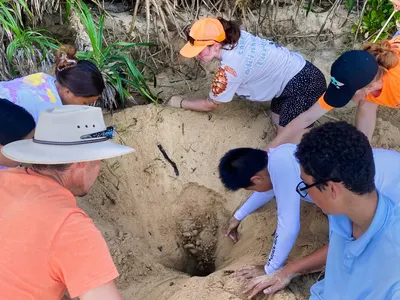
In Costa Rica, students can join an environmental internship on sea turtle protection. Interns help gather research data for conservation organisations such as the Sea Turtle Conservancy and the Costa Rican Ministry of Environment, Energy and Telecommunications (MINAET).
Whales and dolphins in the Canary Islands
Off the Canary Islands, whales and dolphins face several threats: intensive fishing, the omnipresence of commercial fishing boats and water pollution. Collecting data on these species helps protect them in the long term, as Chloé describes in her marine conservation internship in Tenerife.
Coral reef monitoring in the Seychelles
Coral reef health monitoring programmes are another way to protect marine life. In the Seychelles, students and people on a gap year help collect data for coral reef research; Hugo tells the story of his two months of marine research in the Seychelles.
Other marine conservation internships
RealStep's environmental internships abroad also include marine conservation in South Africa and shoreline restoration at Lake Skadar in Montenegro.
Marine conservation success stories
Marine conservation has seen some big wins. Humpback whale populations, for instance, have bounced back thanks to international protection measures. The California sea otter is also on the path to recovery after nearly disappearing because of hunting.
These successes show that change is possible with the right action. The challenges facing endangered marine animals are real, but conservation efforts offer hope, and joining a conservation programme is one way to contribute directly to protecting underwater life.
Frequently asked questions
Which sea animals are endangered?
Endangered marine animals include whales, dolphins, manatees, dugongs, salmon, seabirds, sea turtles and sharks, as well as over 25 corals. The vaquita, a small porpoise of the Gulf of California, is one of the most threatened, with only about 20 left.
Why are sea animals endangered?
The main threats come from human activities: overfishing, habitat destruction, pollution and climate change. Sea turtles also suffer from fishing gear, egg harvesting and the degradation of nesting sites, while the vaquita is threatened by entanglement in fishing nets.
How can we protect endangered marine animals?
By conserving water, reducing plastic use, avoiding products that harm the ocean, such as some sunscreens, and eating eco-friendly fish. You can also get involved with marine conservation organisations or join a conservation programme that collects data in the field.
What is the most overfished sea?
The Mediterranean is the world's most overfished sea.
What is the biggest polluter in the ocean?
Most ocean contamination starts on land, and plastic waste is one of the biggest polluters.

 Costa Rica