The oceans' ability to adapt to change, and their resilience, are threatened by human activities (pollution, plastic waste, overfishing, and climate change due to human activities).
Coral reef bleaching (due to increased ocean temperature) and marine biodiversity decline are some of the consequences of human activities.
Efforts are being made to reduce and prevent drivers of marine biodiversity loss.
For students and recent graduates, marine biology internships in 2026 offer the opportunity to do more than observe — you actively contribute to research and conservation solutions.
When taking part in these internships, your work also supports the United Nations Sustainable Development Goal #14: Life Below Water. This goal focuses on conserving and sustainably using the oceans and marine resources.
Most marine biology internships are open to:
Students currently studying marine biology, environmental science, biology, or ecology OR recent graduates seeking field experience before entering the workforce or graduate school.
Interns should:
Helpful but not always required:
Marine biology internships are ideal for undergraduates who want to turn theory into practice.
Students gain the opportunity to:
These internships often help students decide whether to pursue postgraduate studies or specialized marine science careers.
I was able to acquire new knowledge in the field of marine biology and conservation (a field in which I'd like to work in the future), which may make the difference in my future job applications. (Clara). Read the full testimonial.
For recent graduates, internships act as a bridge between university and professional marine science careers.
Participants can:
I was able to achieve several goals, including obtaining my diving diplomas, improving my diving skills, and discovering the exciting field of marine biology in a relaxed atmosphere. (Laura). Read the full testimonial.
Marine biology internship programs are structured learning experiences designed to provide practical scientific and conservation skills.
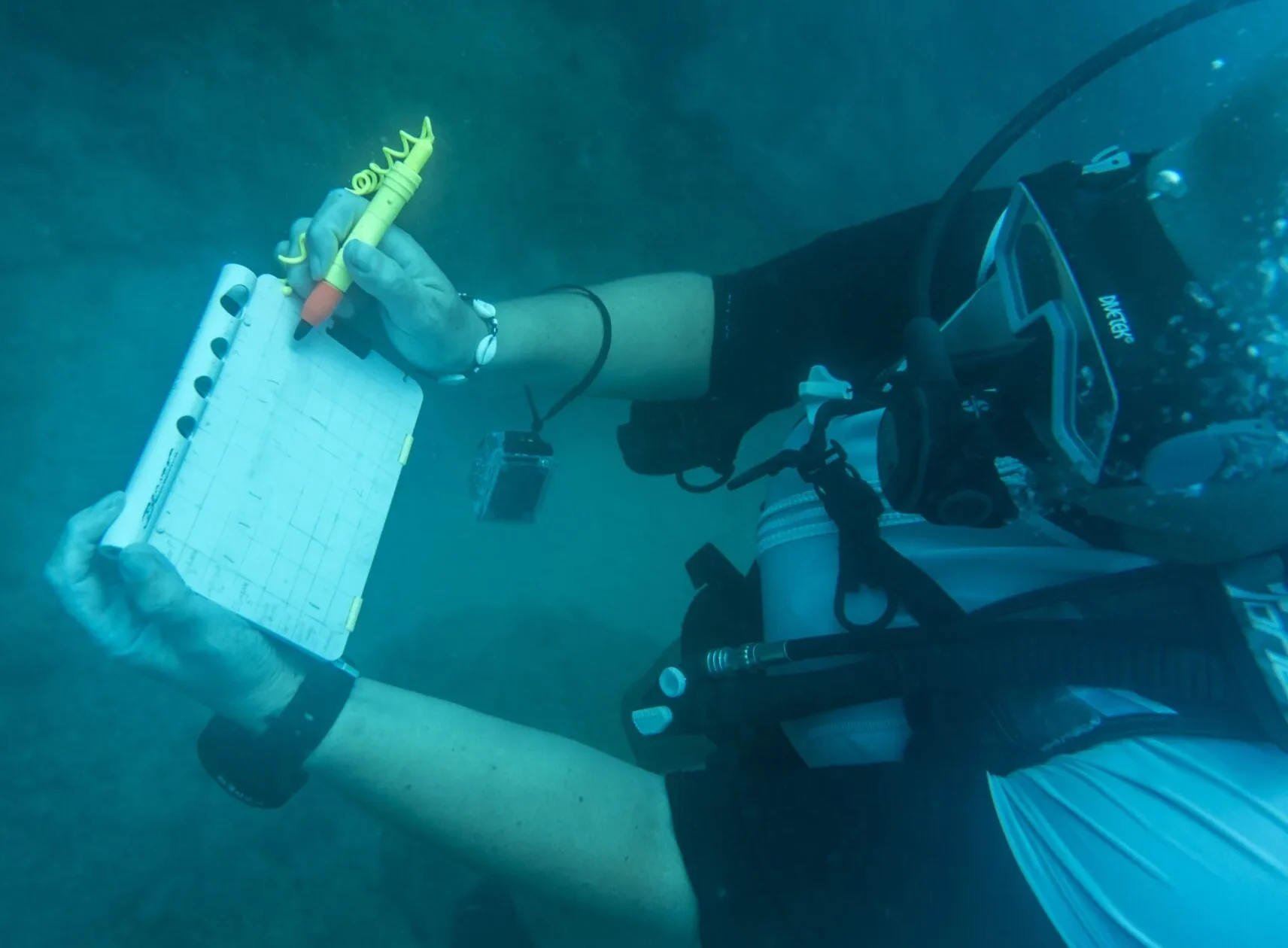
These programs offer hands-on experience in protecting marine ecosystems, with interns supporting research, conservation, and advocacy for marine life. Participants help reduce human impact while assisting with data collection, environmental monitoring, tagging, and conservation education.
Interns may assist with:
Focused on the care and recovery of injured marine animals, such as:
Interns assist with rehabilitation support, monitoring, and animal care under supervision.
These internships are ideal for students interested in scientific careers. Participants may help:
Costa Rica – Coastal biodiversity and sea turtle conservation
Australia – Coral reef monitoring and restoration
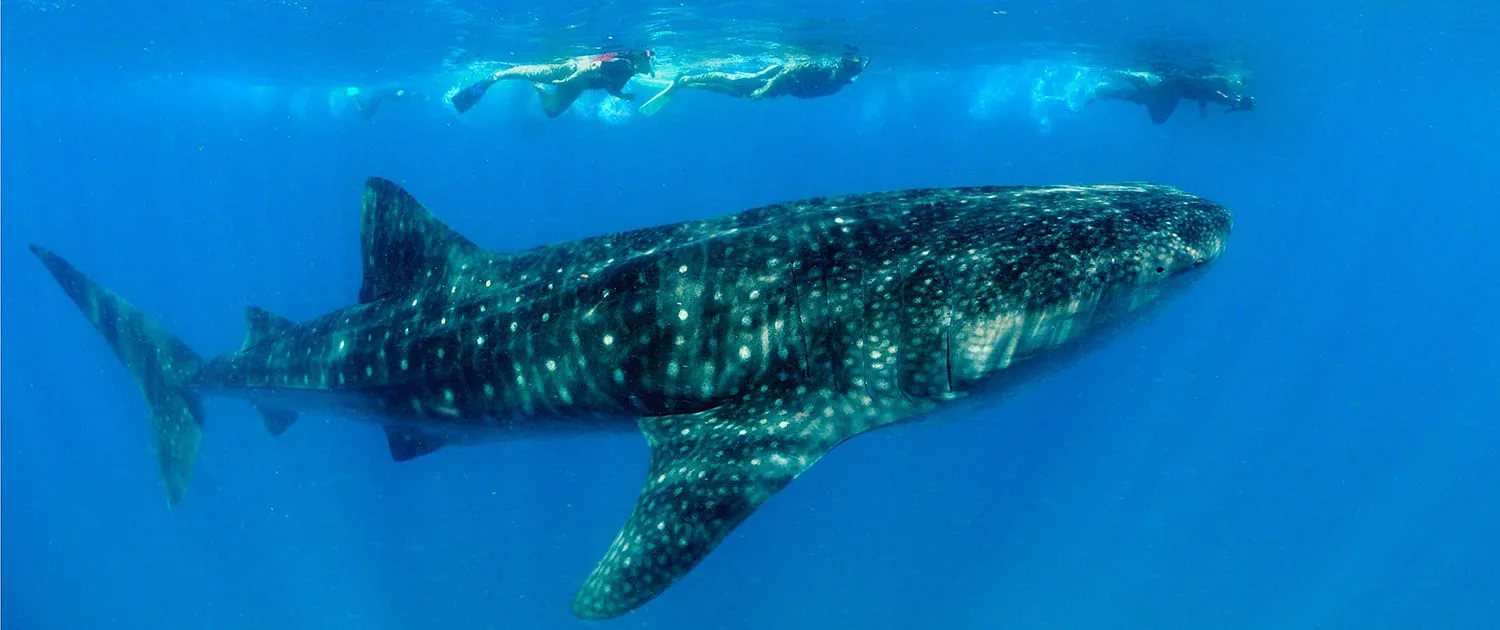
South Africa – Shark, whale, and marine megafauna research
Spain – Dolphin protection and marine ecosystems
Mozambique – Underwater research linked to sustainable marine tourism
Typical durations:
2–4 weeks: Short expeditions or focused conservation projects.
8–10 weeks: Most common length for summer internships and full-time programs tied to university breaks.
Longer Programs
More in-depth research, professional training, and possible university credits
Longer internships often provide deeper research involvement and may include diving certifications or academic credit opportunities.
RealStep offers hands-on marine biology and ocean conservation internships designed for students and aspiring environmental professionals who want real field experience in some of the world’s most biodiverse marine ecosystems.
These programs focus on practical, science-based conservation work. Interns contribute directly to ongoing research and environmental protection efforts.
Typical activities include:
These internships are ideal for students in marine biology, environmental science, ecology, or conservation studies.
Diving skills are essential for careers in marine ecology, underwater research, and ocean conservation. RealStep offers professional dive training combined with marine fieldwork, allowing participants to gain internationally recognized PADI certifications while contributing to research projects.
These programs blend:
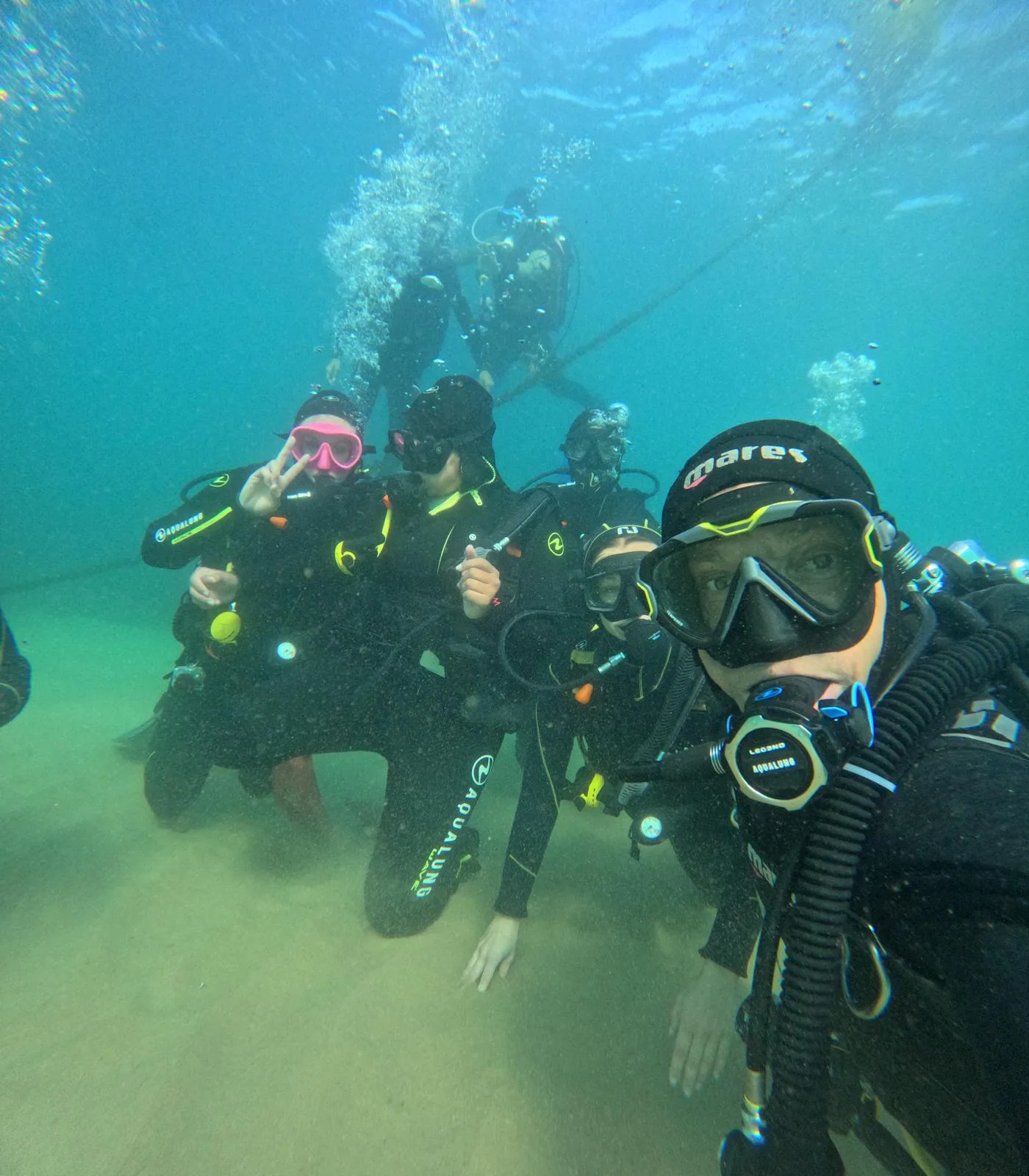
Seychelles & Thailand – Tropical reef ecosystems and marine biodiversity research
Australia – Advanced dive training alongside marine conservation initiatives
These programs are perfect for students who want to combine professional diving qualifications with hands-on environmental experience.
RealStep marine biology internships are available in world-renowned conservation regions:
Canary Islands, Spain - A biodiversity hotspot in the Atlantic Ocean, the Canary Islands are a key site for marine mammal research and ecosystem monitoring. Interns gain experience studying diverse marine life in a European research setting.
Check out our program here: Marine Biology Project in Tenerife.
Seychelles
The Seychelles offers exceptional opportunities in coral reef conservation, marine research, and environmental fieldwork in one of the most pristine marine environments in the world.
Check out our program here: Marine conservation internship in the Seychelles.
South Africa
Known for its rich marine biodiversity, South Africa provides internships that combine field research and conservation science, giving students valuable practical experience that strengthens both academic and professional pathways.
Check out our program here: Marine conservation internship in South Africa
Start with:
There’s no single “best” country — it depends on your goals, but some top destinations include:
Australia – World-renowned for the Great Barrier Reef and coral reef restoration programs.
Costa Rica – Rich coastal biodiversity and sea turtle conservation projects.
South Africa – Marine megafauna (whale, shark) research and data collection.
Canada – Cold-water ecosystems with fisheries and marine mammal work.
Spain (Canary Islands) – Mediterranean marine ecology & dolphin protection.
Mozambique – Underwater research in sustainable tourism destinations.
Each region offers different ecosystems — from coral reefs and temperate kelp forests to icy seas — meaning international experience can broaden your scientific perspective.
These organizations support research, conservation, and global collaboration.
Applying successfully usually involves these steps:
Prepare your materials: Resume/CV, cover letter, academic transcript, and references.
Tailor your application: Highlight specific skills tied to the internship — lab work, scuba training, data collection, GIS, or fieldwork experience.
Follow application guidelines: Read each internship posting carefully — deadlines, prerequisites, materials required, and interview expectations.
Reach out: Don’t hesitate to email program coordinators with questions or to express interest — many relationships begin with a direct conversation.
Yes. Many international internships include:
Always confirm details with the provider.
Marine science careers exist in:

Doing a marine biology internship offers more than experience — it empowers you with professional and personal growth:
Career Skills & Employability: Interns gain practical skills, from scientific method techniques to professional communication, boosting career readiness.
Networking with Experts: Working with researchers and conservation teams helps you build connections that are invaluable for future job opportunities and references.
Real Conservation Impact: Internships contribute to ongoing research and conservation goals — your work helps preserve ecosystems now and for the future
Explore RealStep’s full range of marine biology internship programs — from marine conservation internships abroad to structured summer internships and diving certifications: RealSteps Marine Biology Internships