 Volunteering with Freepackers
 Français
 English
 Español





















 Indonesia, from €7,645
Key points
- A Working Holiday visa lets young people aged 18 to 30 from eligible countries live, travel and work in South Korea for up to 12 months.
- Korean is the main language in most settings, but many companies operate partly in English.
- RealStep's gap year programme in Daegu combines Korean classes and a job placement, from 12 weeks.
- A monthly budget of $1,300 to $1,800 is recommended, depending on the city and your lifestyle.
Work and travel in South Korea means combining a job or an internship with the discovery of a country that has experienced spectacular economic and technological development. Young people from eligible countries can live, travel and work there for up to 12 months on a Working Holiday visa, and international profiles are valued in sectors such as tourism, education and international relations. Here are the main industries, cities and work culture codes, and the gap year programme RealStep offers in Daegu.
Why work or do an internship in South Korea
South Korea offers a striking blend of ultra-modern cities, exceptional natural landscapes and a deeply rooted ancestral culture, an ideal setting for a unique professional experience.
It is also a country in constant evolution, responding to its challenges through innovation, which makes it a fascinating environment to observe, learn and grow both professionally and personally.
Main industries for internships in South Korea
Electronics, technology and automotive
South Korea is one of Asia's leaders in sectors such as electronics, web development and automotive, with companies such as Samsung, LG and Hyundai. These major international companies are always looking for new talent, which creates opportunities in fields such as engineering, logistics and marketing.
Digital technology and innovation
South Korea is one of the Asian Tigers, alongside Singapore, Taiwan and Hong Kong, economies that experienced rapid growth in the late 20th century.
These countries have since reinvested in their industries and rank among the most innovative in the world. South Korea, in particular, has invested heavily in research and development and has become a global pioneer in innovation, especially in digital technologies and artificial intelligence.
Services and education
International profiles are especially valued in expanding sectors such as tourism, international relations and education. A wide range of opportunities is available for candidates with diverse backgrounds and skills, although strong language skills may be required for some positions.
Where to work in South Korea
Seoul
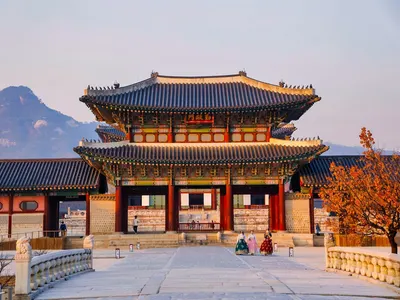
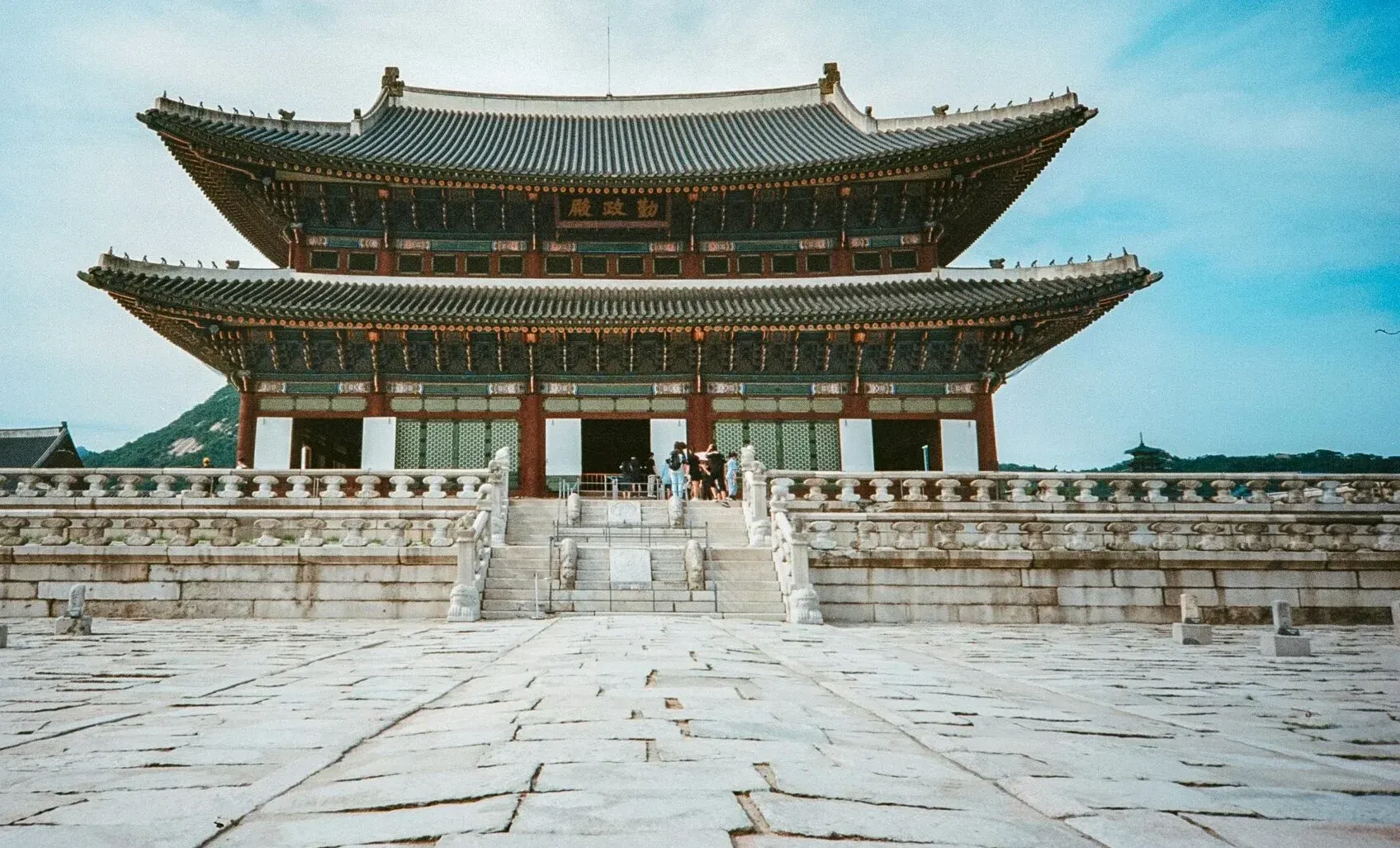
Seoul is a megalopolis that embodies the ultra-modern spirit of East Asia while preserving a rich cultural heritage: behind its many skyscrapers stand majestic palaces and serene Buddhist temples.
The city constantly seeks a balance between tradition and innovation. In recent years, the Korean cultural wave, including K-pop and Korean cinema, has put Seoul on the international stage, making it increasingly attractive to tourists, students and professionals alike.
Busan
Busan is known for its beaches, temples and coastal charm, and as the country's gateway through its leading international industrial port. The city combines cutting-edge technology and industry with a rich heritage and cultural legacy.
Busan shows a completely different side of Korea from Seoul, with its own culinary scene and atmosphere and stunning natural landscapes.
Daegu
Daegu is one of South Korea's largest cities and a centre of Korean art and culture, recognised as a UNESCO Creative City of Music. It hosts international events such as the Daegu International Musical Festival (DIMF) and one of the country's largest traditional markets, known for centuries for its wide variety of vendors.
It is an ideal destination to discover a more authentic Korea, with a strong cultural identity and beautiful surrounding landscapes. As in every other big South Korean city, numerous job opportunities are available.
Internships in Seoul
Seoul is the country's biggest city and an international hub. Global companies use its strategic location, high-quality infrastructure and qualified workforce to access the Asian market more easily. For some companies, the South Korean market is also a way to discover new talent, from Korea and from abroad.
Depending on your skills and interests, you could find a cross-cultural, immersive internship in Seoul that will boost your skills and open international opportunities.
Work culture in South Korea
Language
Language barriers are real in South Korea, but they also offer an opportunity for deeper cultural immersion. Korean is the main language in most settings, but many companies operate partly in English and have successfully integrated international employees. Learning a few basic Korean phrases will help you adapt and connect with locals.
Workplace etiquette
South Korean employees usually do everything for their company's success, including working long hours. Full dedication and strong loyalty are expected, and people are very committed to hierarchy and respect for seniors. Even though the working environment can be quite strict, Koreans really value after-work events and lighter moments with their colleagues.
Cost of living
Seoul, the capital and biggest city, is usually more expensive than other locations. Salaries are generally lower than in Europe, and while rent is expensive, transport, healthcare and food are cheaper. This is why most people live in shared houses.
A gap year in South Korea
If you are looking for a total change of scenery, South Korea is an ideal place for a gap year abroad, with its cultural wealth, innovative cities, job and internship opportunities and natural escapes. Whether it is food, traditions, festivals or monuments, Korean culture has a lot to offer. Before deciding, weigh the pros and cons of a gap year.
Whether it is your main destination or a stop along your journey (our guide to internships in Japan covers another option in the region), the country will give you challenges, experiences and new people to meet. Before you go, read our practical guide to the Working Holiday visa in South Korea.
RealStep's gap year programme in Daegu
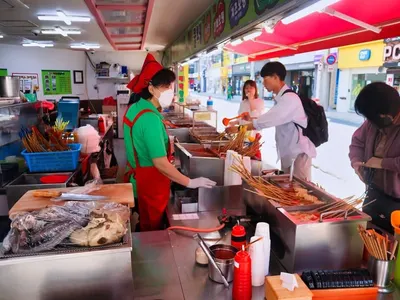
The gap year programme with a paid job in South Korea is a way to discover the country by working and travelling. It starts with Korean classes, followed by a job placement in Daegu, and lasts from 12 weeks.
The aim is to arrive smoothly and find a job with the help of a local support team, which assists you with administrative tasks, accommodation and basic Korean, among other things. Your income helps fund your travel, build your skills and explore the country.
Health insurance is highly recommended during your stay: the programme helps you with these procedures, and our guide to Working Holiday insurance explains how to choose a policy.
Frequently asked questions
Can international students do an internship in South Korea?
Yes, international students can apply for internships in South Korea. The destination is increasingly popular and offers valuable international experience in a particularly dynamic and technologically advanced economy.
What is the monthly budget in South Korea?
Living in South Korea can be expensive, as the country is experiencing an urban housing crisis. We recommend a budget of $1,300 to $1,800 a month, depending on the city and your lifestyle. Seoul is usually more expensive than other locations.
What is a working holiday in South Korea?
A Working Holiday visa allows young people aged 18 to 30 from eligible countries to live, travel and work in South Korea for up to 12 months. It is ideal for combining temporary work with cultural discovery and exploring the country.
Can I extend my stay after my internship ends?
It depends on your current visa status and your plans. Depending on the reason for the extension, you may be able to change your visa status. Contact an accredited government agency for advice.
Do I need health insurance to work or do an internship in South Korea?
Health insurance is highly recommended during your stay in South Korea. RealStep's gap year programme in South Korea helps you with these procedures.