Australia is a popular gap year destination. It is known for its safety, stability, and plethora of opportunities. It is a great place to travel solo and gain work experience, while exploring Australia's stunning landscapes, wildlife, and vibrant culture.
Australia, geographically, is massive, offering vibrant cities to remote outback adventures. This destination offers the ideal setting for both personal growth and adventure.
A glimpse at your gap year:


Deciding to take a gap year in Australia opens up a wide range of flexible options.
With a Working Holiday Visa, you can stay for up to 12 months, with the possibility of extending to a second year by completing 88 days of specified work (such as farm or rural jobs). Some programs even begin as short as eight weeks. The duration and type of work are designed to fit personal preferences, making the experience truly customizable.
Programs vary depending on your goals:
Work opportunities include hospitality, agriculture, construction, and tourism, which make it easy to customize your experience.
Iconic, energetic, and full of opportunity. Perfect for job seekers, nightlife lovers, and anyone wanting to experience Australia’s most famous landmarks.
Known for its art scene, coffee culture, and year-round events. Ideal for creatives and city lovers.
Warm weather year-round with a relaxed lifestyle. A great base for enjoying beaches, outdoor activities, and a more relaxed pace of living.
A gateway to the Outback, offering unique adventures, national parks, and strong opportunities for farm and regional work.
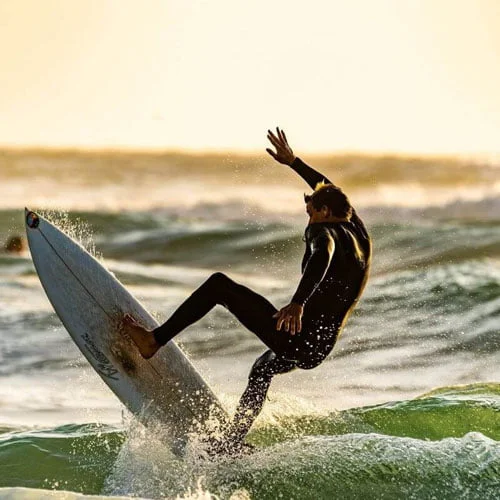
A laid-back coastal town known for surfing, wellness, and its strong backpacker community.
A gap year in Australia does require planning, but it’s manageable, especially if you work while traveling.
*Wages in Australia are relatively high compared to many other countries, with one of the highest minimum wages globally, allowing many travelers to support themselves while abroad (Fair Work Ombudsman; OECD)*
By saving up in advance, you ensure you can embrace every moment without worry. There are plenty of fun and easy ways to save, making it possible to go into a gap year with confidence!
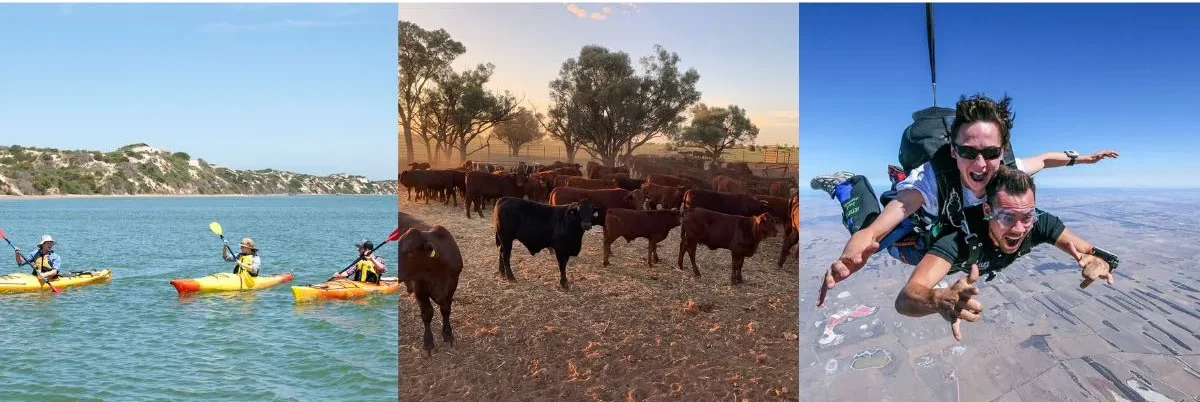
We partner with a wide range of organizations to match different goals and ensure participants have the best possible experience. Whether you’re interested in humanitarian efforts, environmental projects, or a path aligned with academic studies, there are a variety of options available.
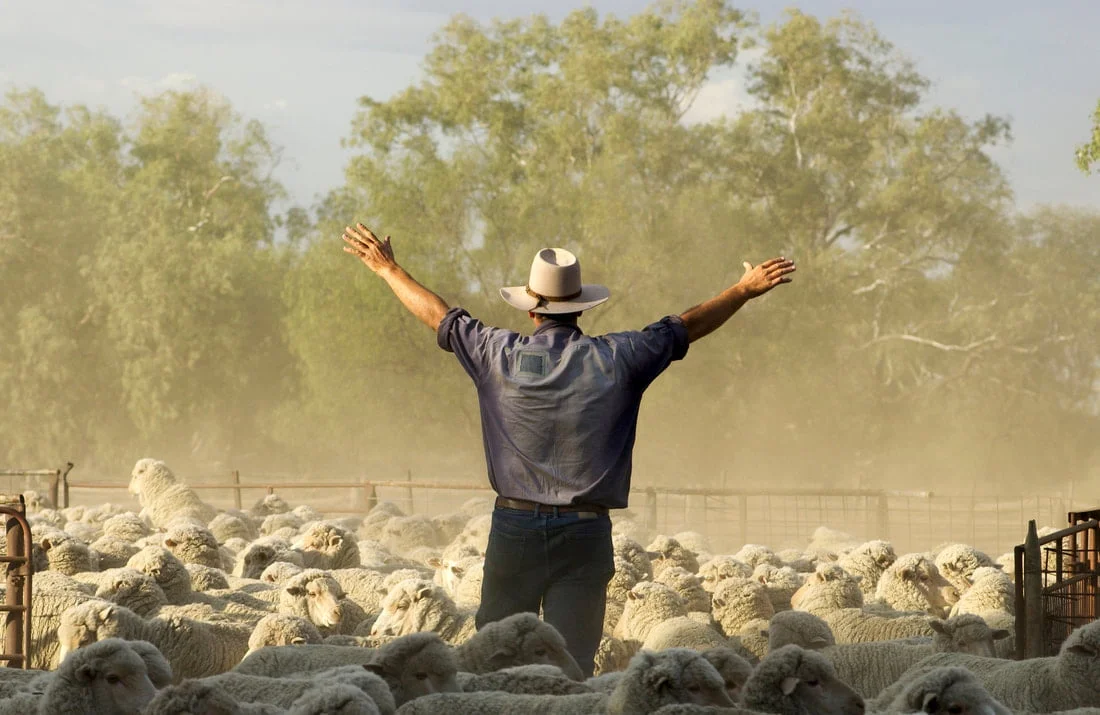
Working on a ranch in Australia with RealStep is one of the most immersive ways to experience Australia.
This program includes:
This is a great opportunity to discover a new culture through a fully immersive experience, living with locals and playing an active role in daily farm life.
Farm work is a great way to meet visa extension requirements, as it counts toward the 88 days of specified work needed for a second Working Holiday Visa.
Work on a farm in Australia program
Work in restaurants, cafés, or hotels while enjoying a social and fast-paced environment. Hospitality jobs are widely available, making them a flexible and popular option for travelers looking to earn while exploring.
Work in hospitality in Australia program.
Learn more about working holidays in Australia and Darwin.
You’ll need a passport that’s valid for the entire duration of your stay. It’s always a good idea to have at least 6 months of validity remaining before travel.
A Working Holiday Visa (subclass 462 or 417) allows you to:
A work and holiday visa is essential. This visa is valid for up to one year and can be renewed for a second year upon completing 88 days of specified work.
Even though you can work in Australia, you’ll need savings upfront.
Recommended starting budget:
Joining a structured program can make your transition much easier.
Benefits include:
Bring a simple, updated resume (CV) tailored for:
Being ready to work quickly helps you start earning sooner.
The more prepared you are before arriving, the faster you can settle in, find work, and start enjoying everything Australia has to offer.
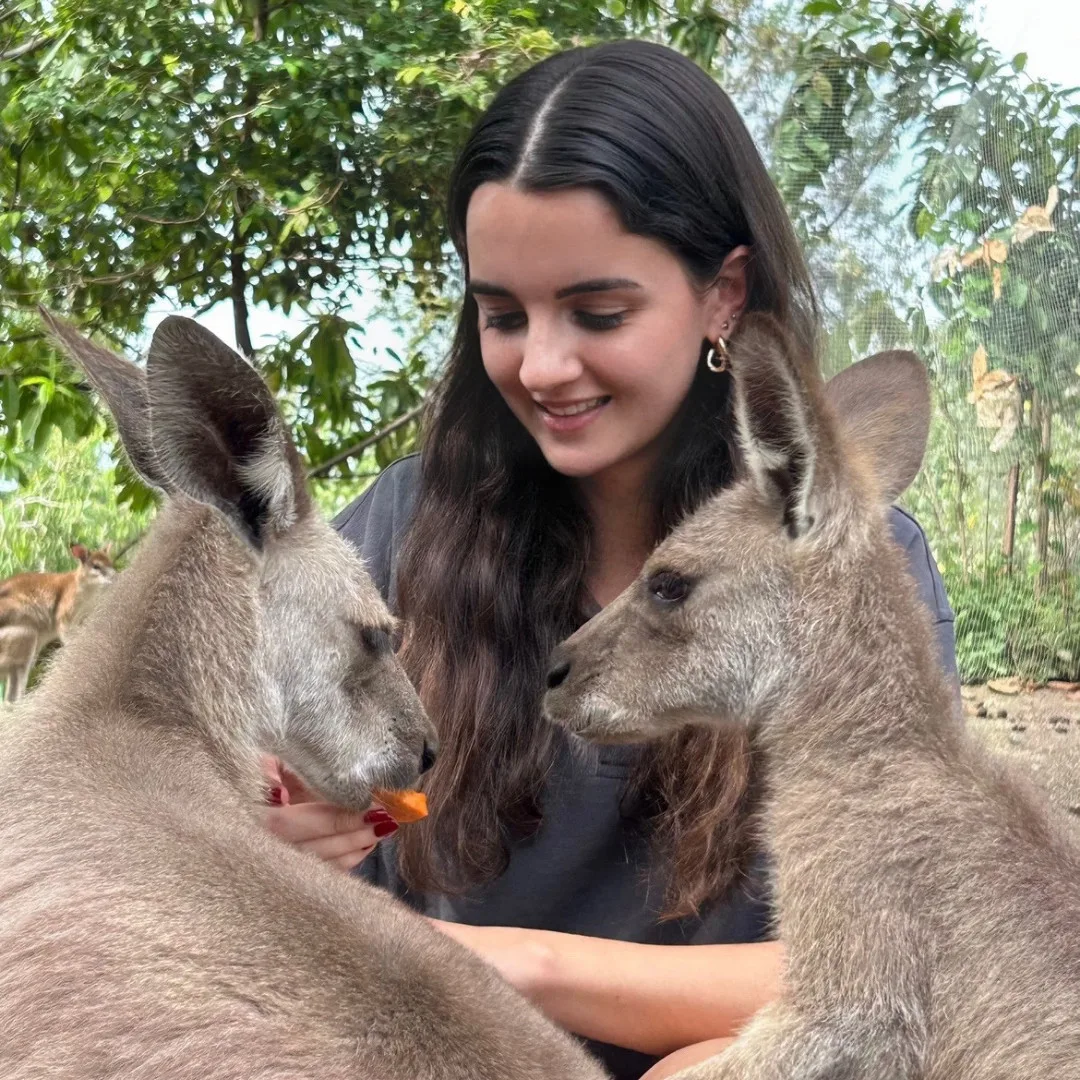
RealStep offers a gap year program in Canada that combines language learning with hands-on farm experience. Participants can immerse themselves in Canadian culture while working on various types of farms, including horse, cattle, alpaca, and more.
This unique opportunity not only enhances English language skills but also provides a real look into daily life on a family-run farm.
RealStep also offers a gap year in Japan, where participants can live and work for up to a year with a Working Holiday Visa.
With support from a local team in Tokyo, participants receive help with administrative steps and job placements. Opportunities are available in fields like agriculture, hospitality, and education, making it easy to find something that fits your goals.
Most participants secure a job within the first month, allowing them to earn money while fully immersing themselves in Japanese culture.
Learn about what to do during a gap year here.
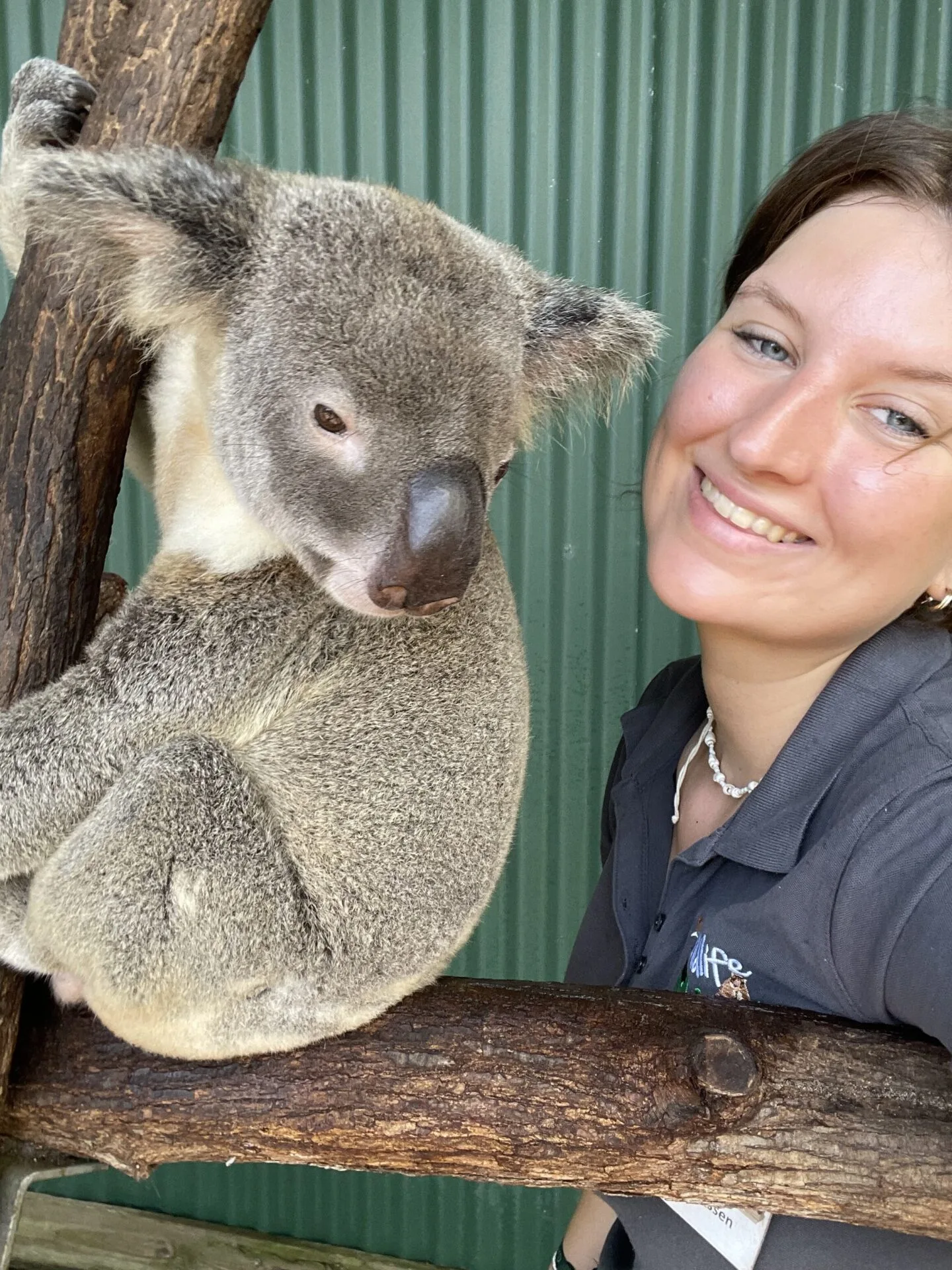
Australia is a top choice for a gap year, offering a vibrant lifestyle and numerous career-enhancing opportunities. Its thriving environment and diverse experiences make it an excellent destination for personal and professional growth.
Costs vary, but with budgeting and working during your stay, it can be very manageable. Lifestyle choices and personal spending habits, such as dining out frequently and shopping, will impact the overall expense. While the gap year can be affordable with careful budgeting, it's important to plan for initial costs and emergencies.
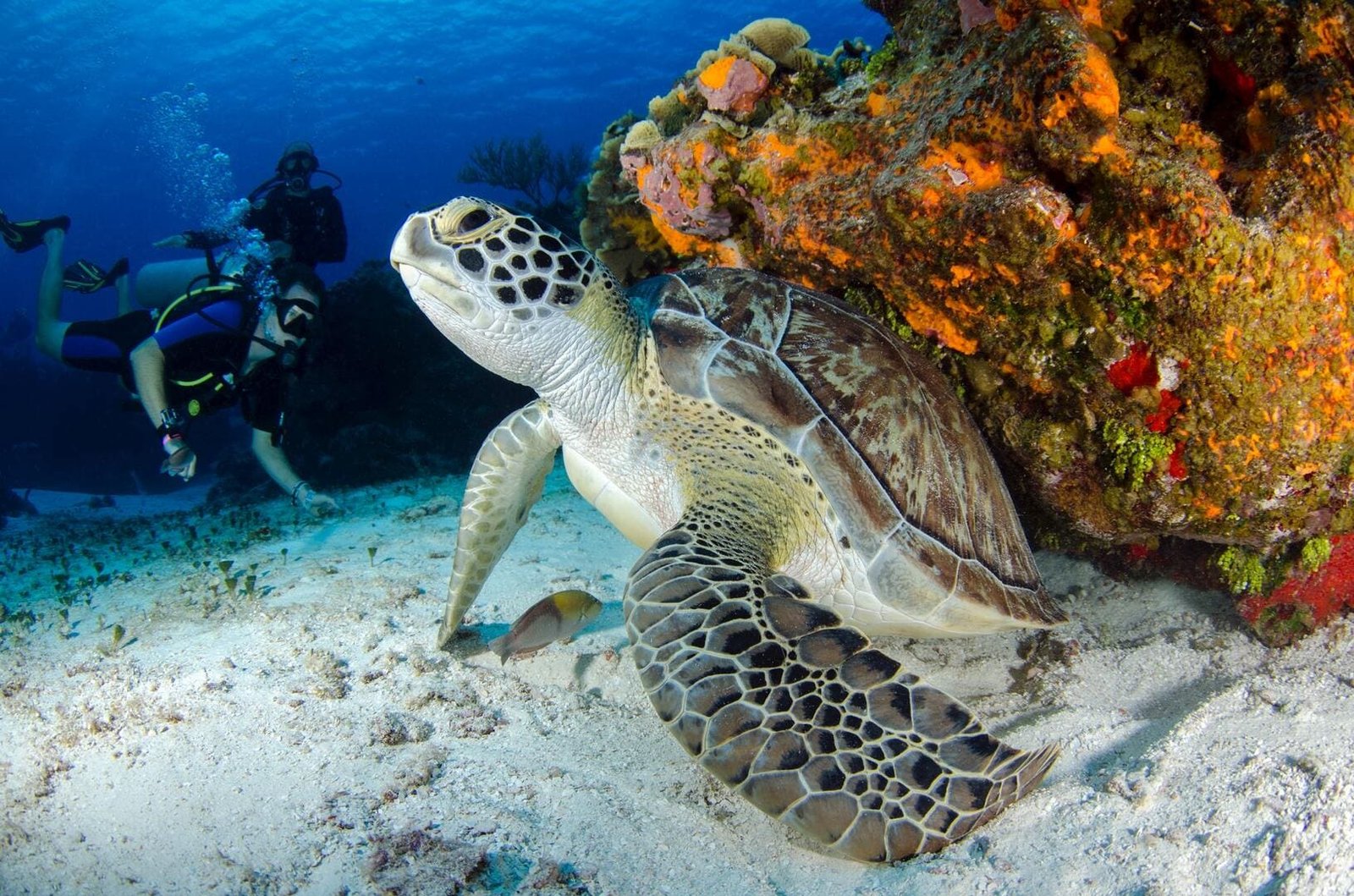
A mix of work, travel, and exploration. Exploring the landscapes, local communities, and taking part in unique experiences like wildlife encounters or surf lessons can make the year unforgettable. RealStep offers structured programs that provide valuable support and opportunities to make the most of this transformative journey.