Thailand offers the ideal mix of affordability, culture, and adventure, making it an immaculate gap year destination. You can enjoy incredible food, accommodation, and experiences without overspending. Thailand offers everything from distinctive temples to world-famous street food. It’s also a safe and welcoming place, especially for first-time travelers.
Its central location makes it easy to explore nearby countries like Laos and Cambodia, and with budget-friendly transportation, one trip can turn into multiple experiences. Plus, with plenty of volunteering and internship opportunities, you can gain valuable experience while making your gap year more purposeful.
Explore cities like Bangkok, discover the stunning islands, or travel through the mountains of Chiang Mai. Immerse yourself in the culture by visiting temples, trying local street food vendors, taking cooking classes, or attending local festivals.
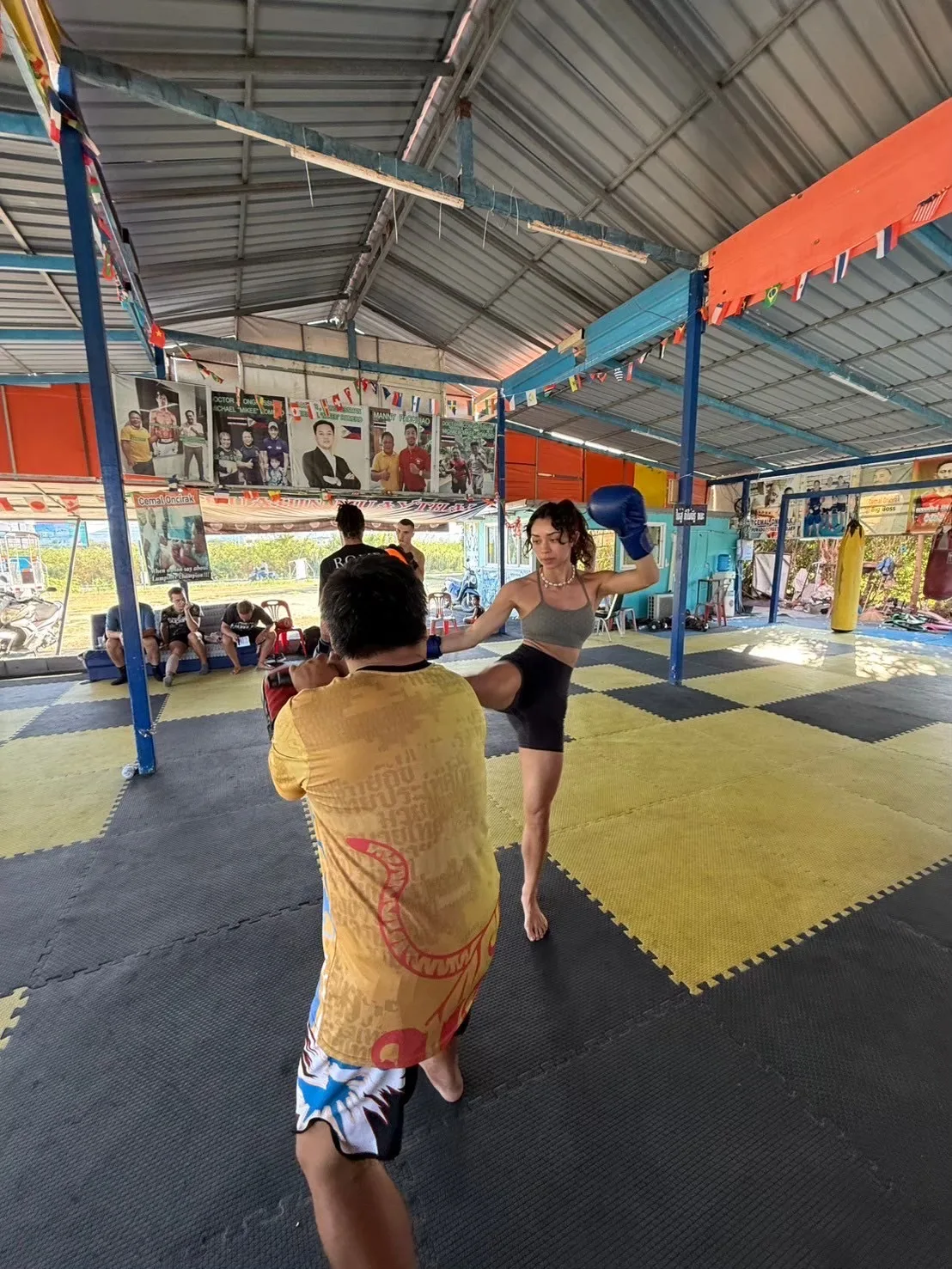
For something more active, try Muay Thai, yoga retreats, or get scuba certified in some of the most beautiful and active waters.
Positions in rural schools or teaching English are in high demand.
Explore our work and travel program: Teach English in Thailand in both rural and urban areas across the country.

Contribute to research projects in the coastal areas.
Explore our internship program: Marine Biology Internship

Get hands-on and help local communities build and renovate their infrastructures.
Explore our internship program: Construction internship in Thailand
Explore our other programs in Thailand here!
- It’s affordable, walkable, and known for its relaxed pace of life. Surrounded by mountains and temples, it’s ideal for cultural immersion, volunteering, and remote work.
- a faster-paced, energetic experience with endless things to do. Endless street food markets to iconic temples and nightlife.
- a favorite for travelers looking for a slower-paced environment and island life. Known for its clear waters and affordable scuba certifications, it’s a social and scenic spot.
- a historic city just outside of Bangkok, known for its ancient temple ruins and cultural significance.
Thailand is known for being safe, especially for solo travelers. Chiang Mai stands out for its walkability and friendly community, making it easy to settle in.
Phuket can also be a good option in areas like Rawai or Kata rather than the busy party zones.
Hua Hin offers a more local, relaxed coastal experience with fewer crowds, while Pai is known for its laid-back, bohemian, social atmosphere that attracts backpackers and creatives.
Transport: Use apps like Grab or Bolt to avoid taxi scams (avoid unmetered taxis).
Scams: Be cautious of common tourist traps, such as people telling you attractions are closed or offering unofficial tours.
Stay Connected: Get a local SIM/eSIM, which helps navigation and communication be much easier.
Health: It’s also important to avoid drinking tap water and to be aware of seasonal air pollution in northern areas like Chiang Mai (Feb–Apr burning season).
Thailand is generally very safe, but like anywhere, basic awareness at night, especially in busy areas, is important. Doing a bit of research about the areas you’re visiting and being prepared goes a long way.
For safer traveling tips, check out our How to Stay Safe While Traveling Article.
Passport: Must be valid for at least six months beyond your arrival date.
Visa Options:
Necessary Documentation:
Health Requirements: Make sure you are up to date on recommended vaccinations before arriving.
Budgeting: Plan for roughly $100–$200 per week for personal expenses, depending on your lifestyle.
The cost of living in Thailand is highly affordable compared to other countries, but it depends on your lifestyle and location. On average, travelers can budget anywhere from $8,000 to $15,000 per year. Chiang Mai and Pai typically are cheaper, with monthly costs around $700–$1,200, including rent, food, and transportation. Daily expenses like meals, transport, and entertainment can be managed on a tight budget by eating local street food, using public transportation or rideshare apps, and choosing budget accommodation.
Finding meaningful volunteering opportunities requires some research. Look for ethical, locally-led program organizations. Popular opportunities include teaching English, environmental conservation, and community development.
Websites and platforms that focus on ethical programs, or programs affiliated with universities and nonprofits, are a good starting point. Always check reviews, ask for transparency about costs and program structure, and ensure the organization prioritizes local impact over profit. Normally, many programs also offer accommodation or accommodation help and meals, which reduces costs.
Guided programs can be very valuable, especially for first-time international travelers. They provide structure, mentorship, and community, which can make navigating a new country much easier. Programs often include accommodation, organized excursions, and volunteer placements, helping you focus on the experience rather than logistics. They’re also a good way to meet like-minded travelers and make long-term connections.