Artificial intelligence (AI) is a set of technologies that enables computers and machines to learn and perform tasks. These technologies can be used in tools that help automate routine tasks in the workplace. With these tools, the AI industry is changing what a work day looks like, as well as employment or employability - skills that employers are looking for.
As this is happening, many young people question ask how AI tools will affect their employability. Students who study and work to become professionals and career-ready are now facing both positive and negative impacts of AI in employability - such as:
Since AI tools perform some routine and technical tasks, this ideally leaves space for soft skills, or “human-centric” skills, to take centre stage.
See how developing soft skills improves your employability and how to develop these skills.
Soft skills are the qualities that make someone want to work with you.
Often, we talk about strong teamwork and communication skills.

Your hard skills are your technical skills. Soft skills are how you present your technical skills, information, work in a team, help others understand your technical knowledge, etc.
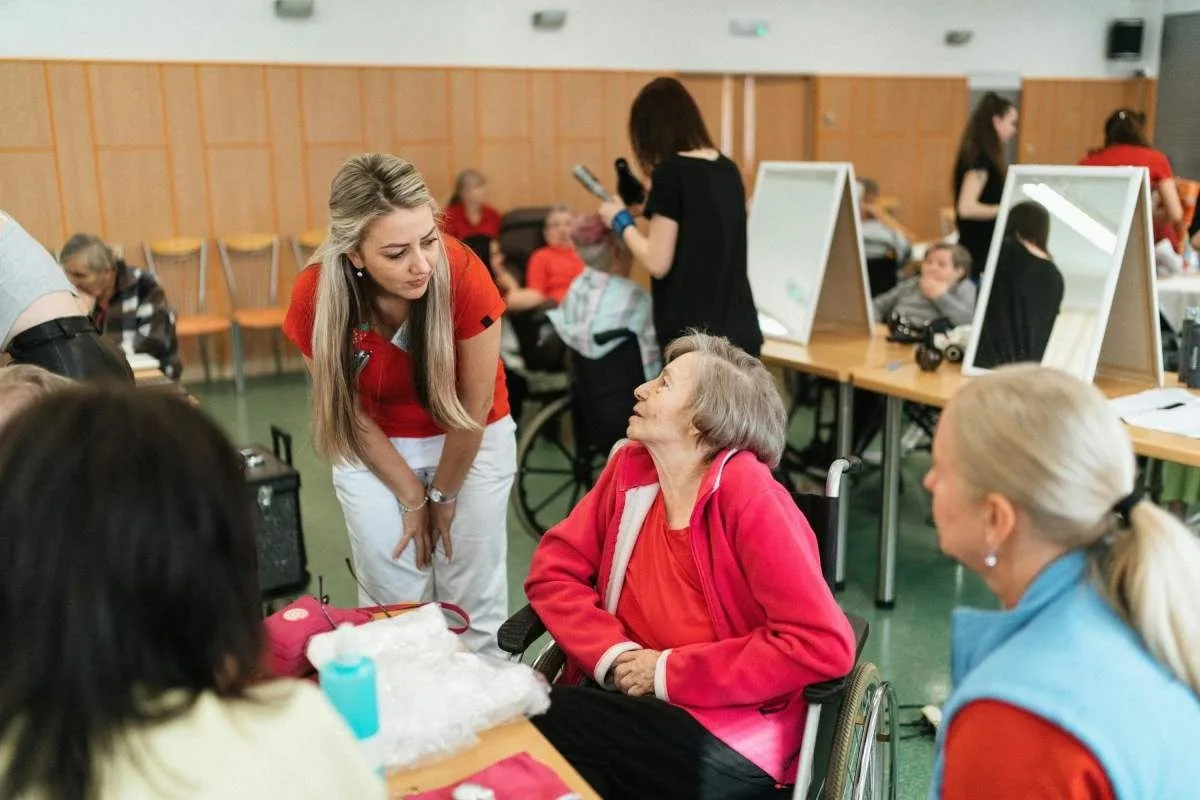
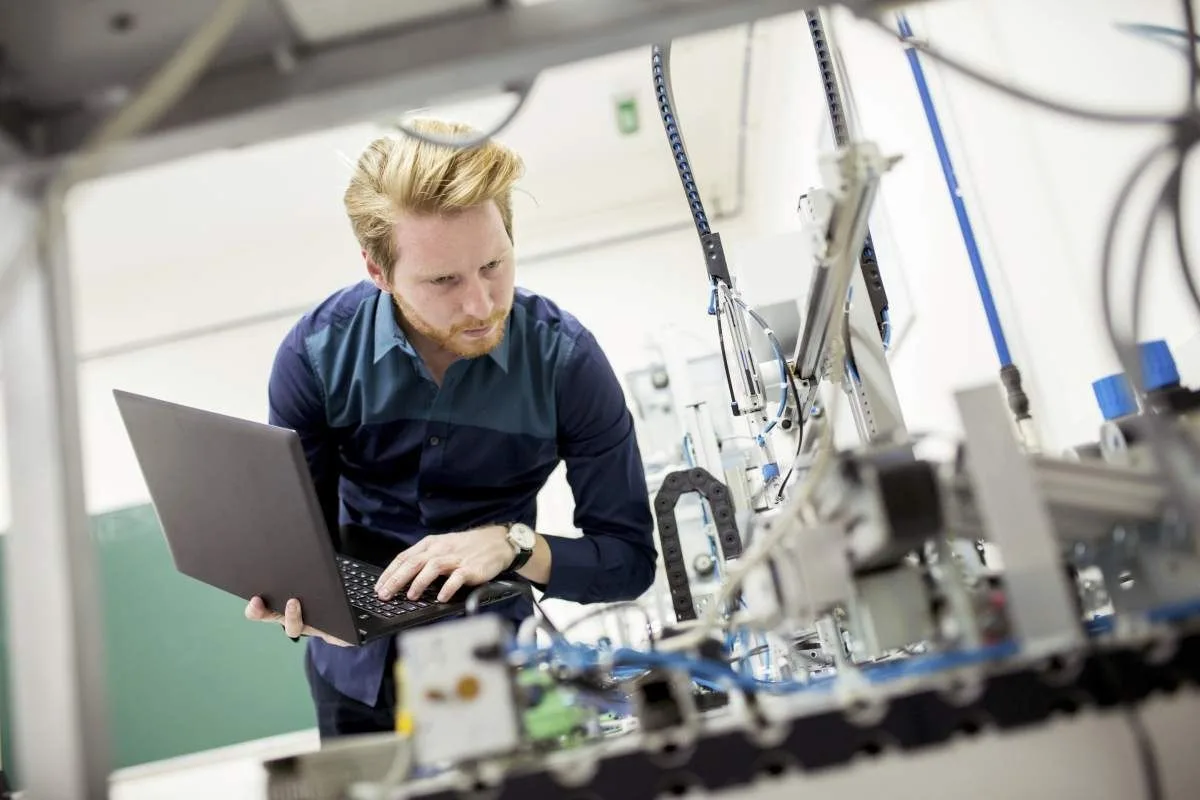



There is no official list of soft skills, but here are some of the top soft skills.
Communication is the process of sharing information - speaking, reading, listening, and reasoning. At a workplace, it involves sharing ideas clearly and precisely, being able to listen actively, or take feedback in various settings - by email, in a video call, team meeting, or one-to-one meeting.
Teamwork is when a group of people collaborates and coordinates to achieve a common goal. This requires shared responsibility, leadership skills, communication between team members, and clear tasks for each team member. Team members are all accountable and manage time efficiently to achieve a common goal by the deadline.
Time management is the ability to plan and prioritise tasks to meet deadlines, set and achieve goals. Time management also includes setting boundaries in order to finalise priority tasks.
Empathy is the capacity to understand others. See a situation in terms of how others feel. At the workplace, this includes showing support to colleagues, validating other perspectives even though we don't agree.
Solving a problem involves analytical thinking, creativity, decision-making, strategic thinking, and resourcefulness, in order to explore potential solutions. In a workplace, in real life situation, you normally solve multiple problems on a daily basis.
Internships abroad are widely recognized as a valuable way to develop soft skills—personal and interpersonal abilities that are essential for success in the workplace.
Living and working in a foreign country exposes interns to:
encouraging growth beyond technical knowledge. Soft skills often highlighted during international internships are communication skills, communication in a non-native language, adaptability.
Learn more about transferable skills.
This internship gave me great adaptability, especially by immersing myself in a different culture. I was able to strengthen my technical engineering skills while consolidating my ability to manage projects in diverse contexts. Moreover, this experience helped me improve my English communication, which proved essential for professional exchanges on site.

This internship brought me a lot, both professionally and personally. I was able to improve my English skills by interacting daily with the local team and other volunteers. On the technical side, I discovered new construction methods adapted to the resources and constraints of a developing country. This experience helped me better understand the challenges of the sector and gain adaptability when faced with working conditions different from those I was used to.